YOUR NEIGHBOURHOOD MASSAGE STUDIO · MONTRÉAL
If your back has been bothering you since February’s snowstorm, your neck locks up every time you turn left, or you’ve had the same knot between your right shoulder blade and your spine for so long you’ve named it — this page is for you.
Deep tissue massage is not a harder version of relaxation massage. It’s a different technique entirely, aimed at a different layer of your body. And when it’s done correctly by someone who knows what they’re looking for, it changes things that ibuprofen and hot showers cannot.
At Spa New You, 3259 Saint-Jacques Street in Montréal, our deep tissue work is specific, clinical, and grounded in what we know about how Montréal residents use — and strain — their bodies year-round.
Most people have a rough idea of what deep tissue massage is. Harder pressure. Deeper work. The kind where you might wince a bit and feel it the next day.
That’s partially true. But it misses the actual mechanism.
Your muscles are wrapped in connective tissue called fascia. Fascia surrounds every individual muscle fibre, every muscle group, and runs continuously through your entire body in sheets and lines. When you injure a muscle, hold a sustained posture for too long, or experience chronic stress, fascia tightens and adheres. It can bind adjacent structures together. It restricts movement. And it doesn’t respond to light pressure.
Deep tissue massage works specifically on these fascial restrictions and the muscle layers beneath them — the ones you can’t reach with a relaxation massage. Techniques include:
Deep tissue is not the same as painful massage. Therapeutic discomfort — the “hurts so good” sensation of pressure on a tight area — is normal and expected. Sharp, shooting, or nerve pain is not. A trained deep tissue therapist adjusts pressure continuously and asks for feedback. If something causes you to hold your breath or clench, it’s too much. Effective deep tissue massage should leave you feeling worked on, not beaten up.
02 / WHO NEEDS IT
Montréal puts specific demands on the body. Understanding those demands is how we do this work well.
PEAK PERIOD
January – February
Every winter, between January and March, our deep tissue bookings double. It’s not a coincidence.
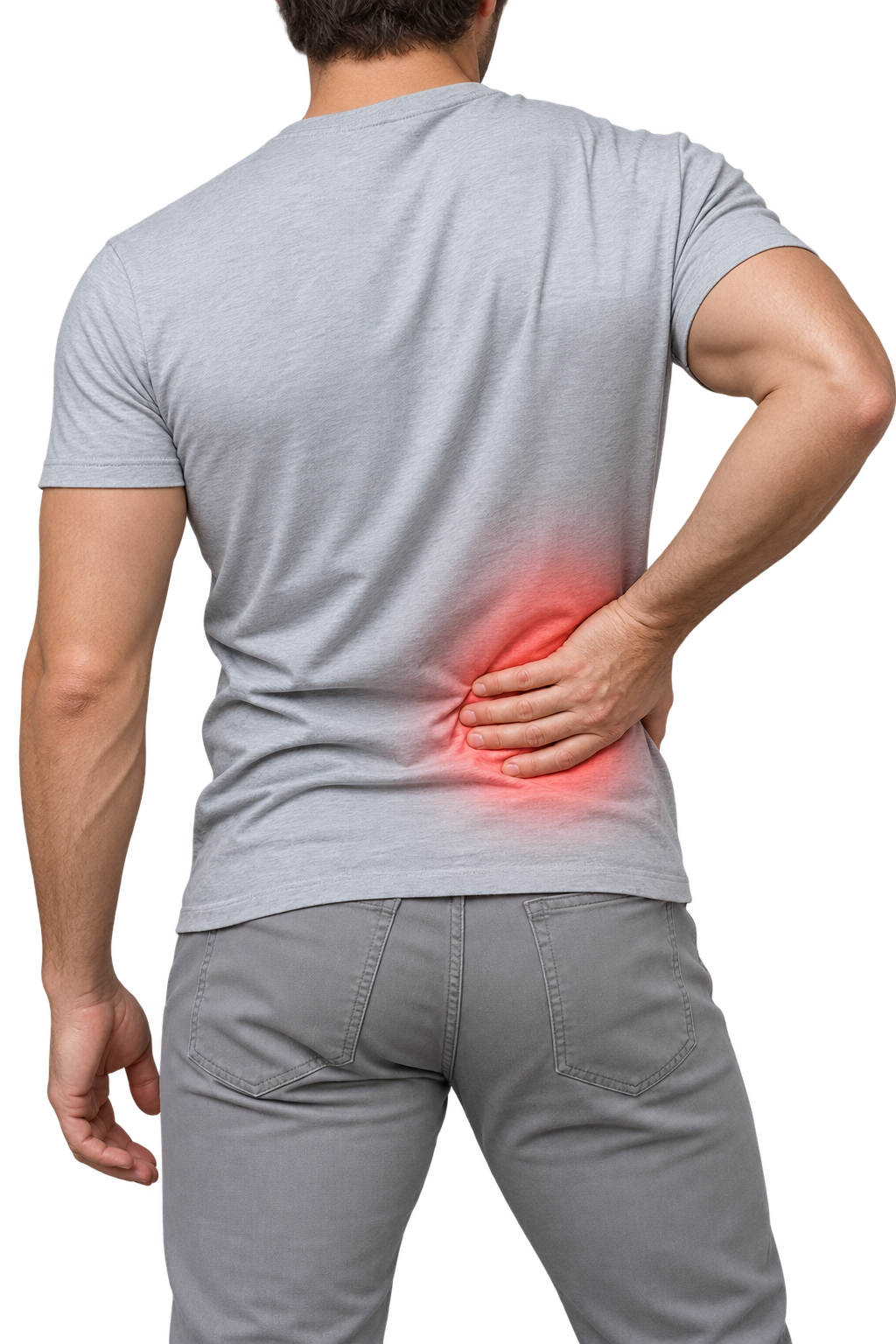
Snow shovelling is one of the most mechanically complex physical tasks the average Montréal resident performs — and one of the least prepared for. You’re loading the lumbar spine in flexion, rotating under load, and often doing it repetitively for 30–60 minutes in cold temperatures, when your muscles are already shortened and less responsive from the cold.
The result: acute lower back strains involving the erector spinae and quadratus lumborum, sacroiliac joint irritation, and — for those who favour one side — thoracic rotation imbalances that can take months to fully resolve.
According to the Institut national de santé publique du Québec (INSPQ), musculoskeletal injuries from snow removal account for thousands of emergency department and primary care visits across Québec each winter, with the highest concentration in Montréal
When to book after a shovelling injury:
Not immediately. During the first 48–72 hours after an acute strain, the area is inflamed. Massage during acute inflammation can aggravate the tissue. Rest, ice, and anti-inflammatories come first. Once the acute phase passes, deep tissue massage targeting the specific muscles involved is one of the most effective tools in the recovery process.
We see clients who came to us six weeks after a shovelling injury — having done physio, taken medication, and still plateaued at a 4 or 5 out of 10 pain level. Targeted deep tissue work moves them forward when other approaches have stopped.
Montréal’s economy has shifted dramatically toward knowledge work. According to Statistics Canada’s 2024 Labour Force Survey, over 60% of employed Montréalers work in office, administrative, or professional roles — the vast majority of which involve 7 to 10 hours of daily seated, screen-focused work.
Prolonged sitting creates a predictable pattern of dysfunction:
Hip flexors shorten and tighten — pulling the pelvis into anterior tilt
Glutes become neurologically inhibited — they stop firing properly
Lumbar erectors overwork to compensate — developing chronic tension and trigger points
The thoracic spine stiffens into kyphosis — the “desk hump”
The cervical spine compensates with forward head posture — adding up to 27 lbs of effective load to the neck structures for every inch of forward head position
Deep tissue massage targeted at the hip flexors, QL, erector spinae, and piriformis — combined with glute activation and postural awareness — directly addresses this pattern. It’s not a permanent fix for a structural problem, but it breaks the cycle long enough for other interventions (ergonomic changes, movement, exercise) to work.

The upper trapezius, levator scapulae, scalenes, and sternocleidomastoid muscles are chronically overloaded in anyone who works at a screen, drives long commutes on the 20 and 40 autoroutes, or carries a bag on one shoulder daily.
In Montréal specifically, the combination of long commutes — the average one-way commute in Montréal reached 31.4 minutes in 2024, according to the Autorité régionale de transport métropolitain (ARTM) — and high-density seated work creates a population-level problem in the neck and upper back.
These muscles develop trigger points — hyperirritable knots that refer pain into the head (causing tension headaches), down the arm (mimicking nerve impingement), and across the upper back. Over-the-counter pain relief masks the symptom. Deep tissue work with trigger point release addresses the source.
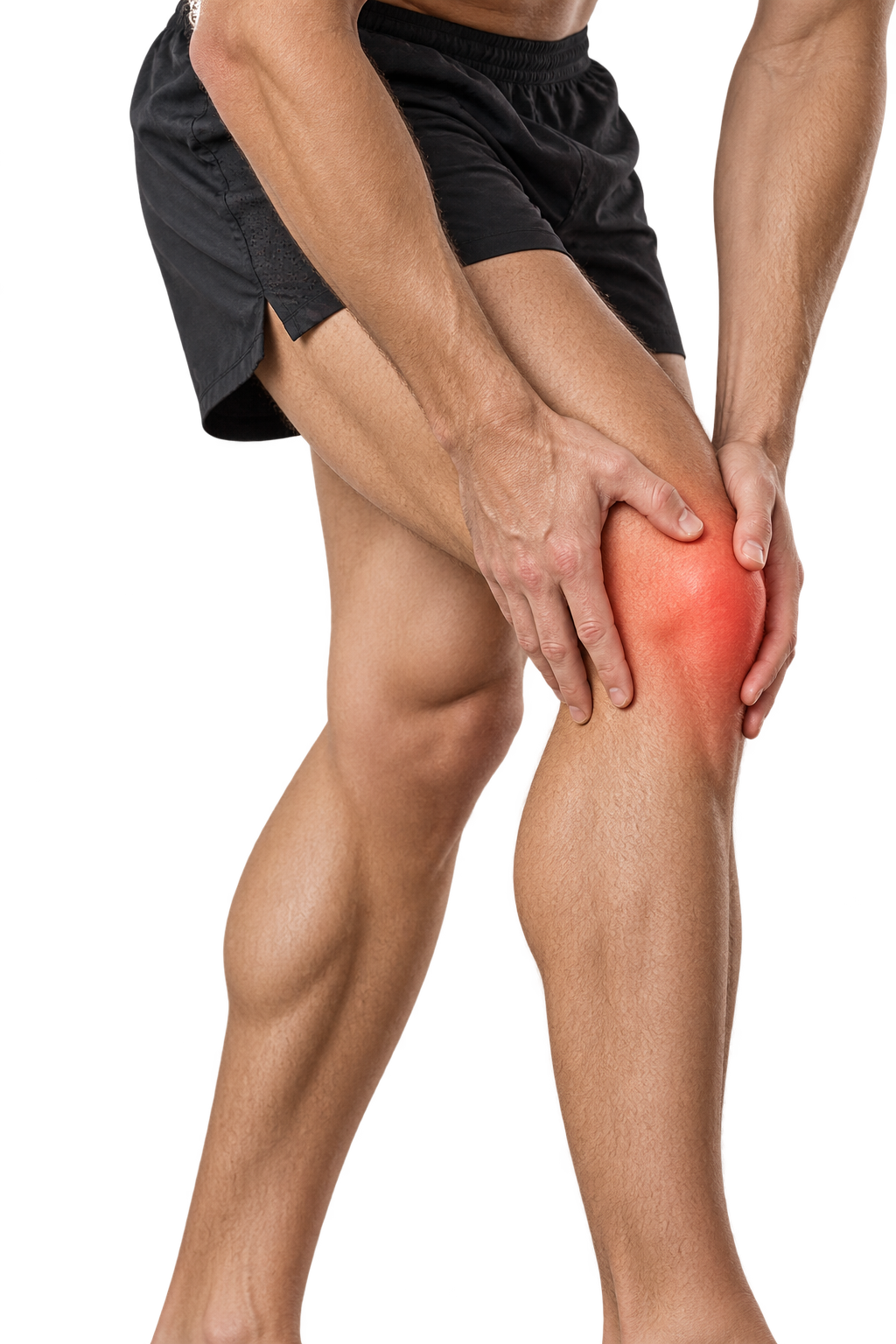
The neighbourhood around 3259 Saint-Jacques is not an office park. A significant portion of our client base works in trades, construction, food service, healthcare, and manual labour — industries with high rates of repetitive strain injuries.
Carpenters and electricians with rotator cuff strain from overhead work. Cooks with forearm and wrist flexor tightness from years of knife work. Healthcare aides with lower back and hip pain from patient transfers. Warehouse workers with thoracic restriction from repetitive lifting.
These are not soft-tissue complaints. They are occupational injuries. Deep tissue massage is one of the primary conservative (non-surgical) treatments for soft-tissue repetitive strain — particularly when caught before degeneration becomes structural.
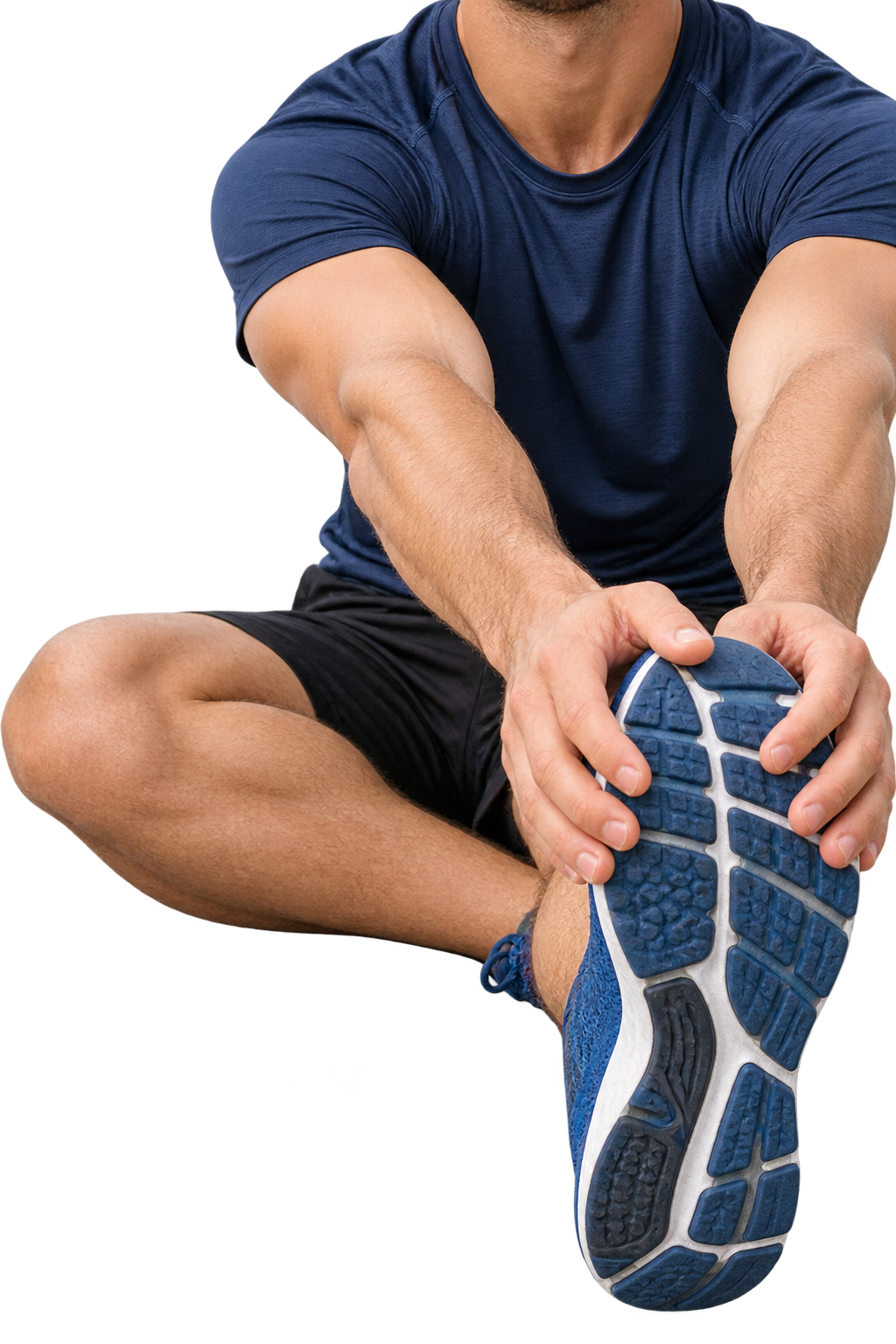
Verdun’s waterfront, the Canal Lachine bike path, Parc Angrignon, and Mont Royal bring out Montréal’s active population in spring, summer, and fall. Cycling, running, hockey, soccer, and swimming create their own pattern of overuse and imbalance.
IT band syndrome in cyclists. Plantar fasciitis in runners. Rotator cuff impingement in swimmers. Hip flexor strain in hockey players. These are soft-tissue problems that respond well to targeted deep tissue work — especially when combined with specific stretching and load management.
If you train or compete in Montréal and you haven’t built regular deep tissue massage into your recovery routine, you’re managing accumulated damage rather than preventing it.
The difference between deep tissue massage that works and deep tissue massage that just hurts comes down to assessment, specificity, and communication. Here’s exactly what we do.
On your first visit, your therapist sits with you for 10 minutes before you lie down. Not a quick form at the front desk. An actual conversation. They ask:
This information changes what they do. A shovelling injury and a desk-work pattern look similar on the surface but require different technique, different pressure sequencing, and different aftercare.
Before you leave, your therapist gives you:
Most clients with a single acute injury that hasn’t become chronic see meaningful improvement in 2 to 4 sessions over 3 to 5 weeks. The first session often produces the largest change. The second consolidates it. By the third, you and your therapist have a clear picture of whether you’re on track or whether additional referral (physiotherapy, orthopedics) is warranted.
Once you’ve addressed the acute issue, monthly or bi-monthly deep tissue sessions are enough to prevent re-accumulation for most people. Athletes and people in physically demanding work often find bi-monthly sessions more useful.
We will never pressure you into a package or a predetermined number of sessions. After session 1, your therapist gives you a specific recommendation based on what they found in the tissue and what you told them — and you decide what works for your schedule and budget.
By transit: Métro Lionel-Groulx (Orange and Green lines) → Bus 36 eastbound on Saint-Jacques → 3 stops. Total from Lionel-Groulx: under 10 minutes.
Parking: Street parking on Saint-Jacques and adjacent streets. Metered Monday through Saturday during business hours. Free evenings after 6 PM and all day Sunday.
Local landmarks close to us:
Marché Atwater (5-minute walk), Canal Lachine cycling and walking path, Centre Gadbois, CLSC de Saint-Henri, Parc Angrignon (10 minutes by car), Place Saint-Henri Metro, Verdun Hospital.
Postal codes we serve for deep tissue massage:
H4C · H4E · H4G · H4H · H3J · H3K · H4B · H4V · H4W · H3X · H3Y · H3W · H4A · H8N · H8P · H8R · H3G · H3H · H4X · H4Y
Add-ons:
Hot stone therapy: +$20 to any session (heat penetrates deeper tissue and extends the window for effective work)
Insurance: Most Québec group benefit plans through Desjardins, Sunlife, Blue Cross, Manulife, and Canada Life cover massage therapy. We issue FQM-standard receipts for insurance claims. The typical annual benefit is 300–600 — enough to cover 3 to 6 sessions per year depending on your plan.
Gift cards: Available in any amount, no expiry. A practical gift for someone dealing with chronic pain.
Not every person who can apply hard pressure is qualified to do deep tissue massage. Real deep tissue work requires anatomical knowledge, palpation skills developed through supervised clinical hours, and the judgment to know when to push and when to back off.
Our deep tissue therapists:
Paul came in six weeks after a lumbar strain from shovelling. He’d done five weeks of physiotherapy, taken naproxen for three weeks, and used a heating pad every night. Pain had dropped from 9/10 to 5/10 and stopped improving.
At intake, his therapist identified significant trigger point activity in the right quadratus lumborum and bilateral erector spinae tightness extending from L2 through L5. There was also anterior pelvic tilt and hip flexor shortening — likely contributing to why the lumbar region wasn’t resolving.
Four sessions over six weeks: deep tissue to the QL, erectors, and piriformis in sessions 1 and 2, with hip flexor work added in sessions 3 and 4. A specific stretch protocol was given after session 1 targeting the psoas and QL.
After session 4: pain at 1.5/10. Full sitting tolerance restored. Paul returned for monthly maintenance sessions. He reports splitting firewood in September with no pain recurrence.
Sophie had daily tension headaches for eight months. She’d tried three different Montréal massage studios in the previous year and a half — each provided relief for 2 to 3 days before the headaches returned.
At intake: forward head posture (approximately 5 cm anterior to neutral), upper trap and levator scapulae trigger points bilateral (right side dominant), restricted cervical rotation to the right. Home office assessment revealed monitor positioned too low and no lumbar support in her chair.
Five sessions over seven weeks: combined Swedish warm-up followed by targeted deep tissue on the scalenes, upper trap, levator scapulae, and suboccipital muscles. Trigger point release in sessions 2 through 5. Monitor height and chair adjustment recommended after session 2.
After session 5: tension headaches reduced from daily to occasional. Full cervical rotation restored. Sophie now comes bi-weekly for maintenance and has not had a daily headache in four months.
Mathieu developed lateral knee pain in his right leg mid-season. He had self-diagnosed IT band syndrome from an online search and was mostly right. He’d tried foam rolling daily with minimal improvement.
At intake: significant TFL (tensor fasciae latae) and lateral quadriceps tightness on the right, hip abductor weakness on the left creating a compensatory pattern, and restricted hip internal rotation.
Three sessions over four weeks: deep tissue targeting TFL, vastus lateralis, and gluteus medius on the right. Specific hip strengthening exercises recommended alongside sessions.
After session 3: lateral knee pain resolved during cycling. Mathieu continued for monthly maintenance through the cycling season and had no recurrence.
FAQ
Tell us. Sometimes previous sessions were too light to produce a real deep tissue effect. Sometimes they were too aggressive and caused unnecessary pain without therapeutic benefit. Sometimes the wrong muscles were prioritized. At intake we’ll ask about your previous experience and what you felt was missing. We build the session from there.
06 / RIGHT HERE ON SAINT-JACQUES
📍 3259 Saint-Jacques Street, Montréal, QC H4C 1G8
🕐 Monday – Sunday: 9:00 AM – 9:00 PM
📞 (514) 750-7070
🚇 Métro Lionel-Groulx → Bus 36 → 3 stops
Instant confirmation
Bilingual staff, 7 days
Deep tissue massage serving: Saint-Henri · Verdun · Côte-Saint-Paul · LaSalle · NDG · Westmount · Lachine · and across the island of Montréal