
02 / WHO NEEDS IT
Deep Tissue Massage in Montréal — The Specific Problems It Treats Here
Montréal puts specific demands on the body. Understanding those demands is how we do this work well.
Snow Shovelling Injuries — The January-February Surge
PEAK PERIOD
January – February
Every winter, between January and March, our deep tissue bookings double. It’s not a coincidence.
Snow shovelling is one of the most mechanically complex physical tasks the average Montréal resident performs — and one of the least prepared for. You’re loading the lumbar spine in flexion, rotating under load, and often doing it repetitively for 30–60 minutes in cold temperatures, when your muscles are already shortened and less responsive from the cold.
The result: acute lower back strains involving the erector spinae and quadratus lumborum, sacroiliac joint irritation, and — for those who favour one side — thoracic rotation imbalances that can take months to fully resolve.
According to the Institut national de santé publique du Québec (INSPQ), musculoskeletal injuries from snow removal account for thousands of emergency department and primary care visits across Québec each winter, with the highest concentration in Montréal
When to book after a shovelling injury:
Not immediately. During the first 48–72 hours after an acute strain, the area is inflamed. Massage during acute inflammation can aggravate the tissue. Rest, ice, and anti-inflammatories come first. Once the acute phase passes, deep tissue massage targeting the specific muscles involved is one of the most effective tools in the recovery process.
We see clients who came to us six weeks after a shovelling injury — having done physio, taken medication, and still plateaued at a 4 or 5 out of 10 pain level. Targeted deep tissue work moves them forward when other approaches have stopped.

Chronic Lower Back Pain from Desk Work
Montréal’s economy has shifted dramatically toward knowledge work. According to Statistics Canada’s 2024 Labour Force Survey, over 60% of employed Montréalers work in office, administrative, or professional roles — the vast majority of which involve 7 to 10 hours of daily seated, screen-focused work. Prolonged sitting creates a predictable pattern of dysfunction:
Hip flexors shorten and tighten — pulling the pelvis into anterior tilt
Glutes become neurologically inhibited — they stop firing properly
Lumbar erectors overwork to compensate — developing chronic tension and trigger points
The thoracic spine stiffens into kyphosis — the « desk hump »
The cervical spine compensates with forward head posture — adding up to 27 lbs of effective load to the neck structures for every inch of forward head position
Deep tissue massage targeted at the hip flexors, QL, erector spinae, and piriformis — combined with glute activation and postural awareness — directly addresses this pattern. It’s not a permanent fix for a structural problem, but it breaks the cycle long enough for other interventions (ergonomic changes, movement, exercise) to work.

Neck and Shoulder Tension — The Montréal Office Worker Pattern
The upper trapezius, levator scapulae, scalenes, and sternocleidomastoid muscles are chronically overloaded in anyone who works at a screen, drives long commutes on the 20 and 40 autoroutes, or carries a bag on one shoulder daily.
In Montréal specifically, the combination of long commutes — the average one-way commute in Montréal reached 31.4 minutes in 2024, according to the Autorité régionale de transport métropolitain (ARTM) — and high-density seated work creates a population-level problem in the neck and upper back.
These muscles develop trigger points — hyperirritable knots that refer pain into the head (causing tension headaches), down the arm (mimicking nerve impingement), and across the upper back. Over-the-counter pain relief masks the symptom. Deep tissue work with trigger point release addresses the source.
Repetitive Strain and Trades Work — Saint-Henri and Côte-Saint-Paul
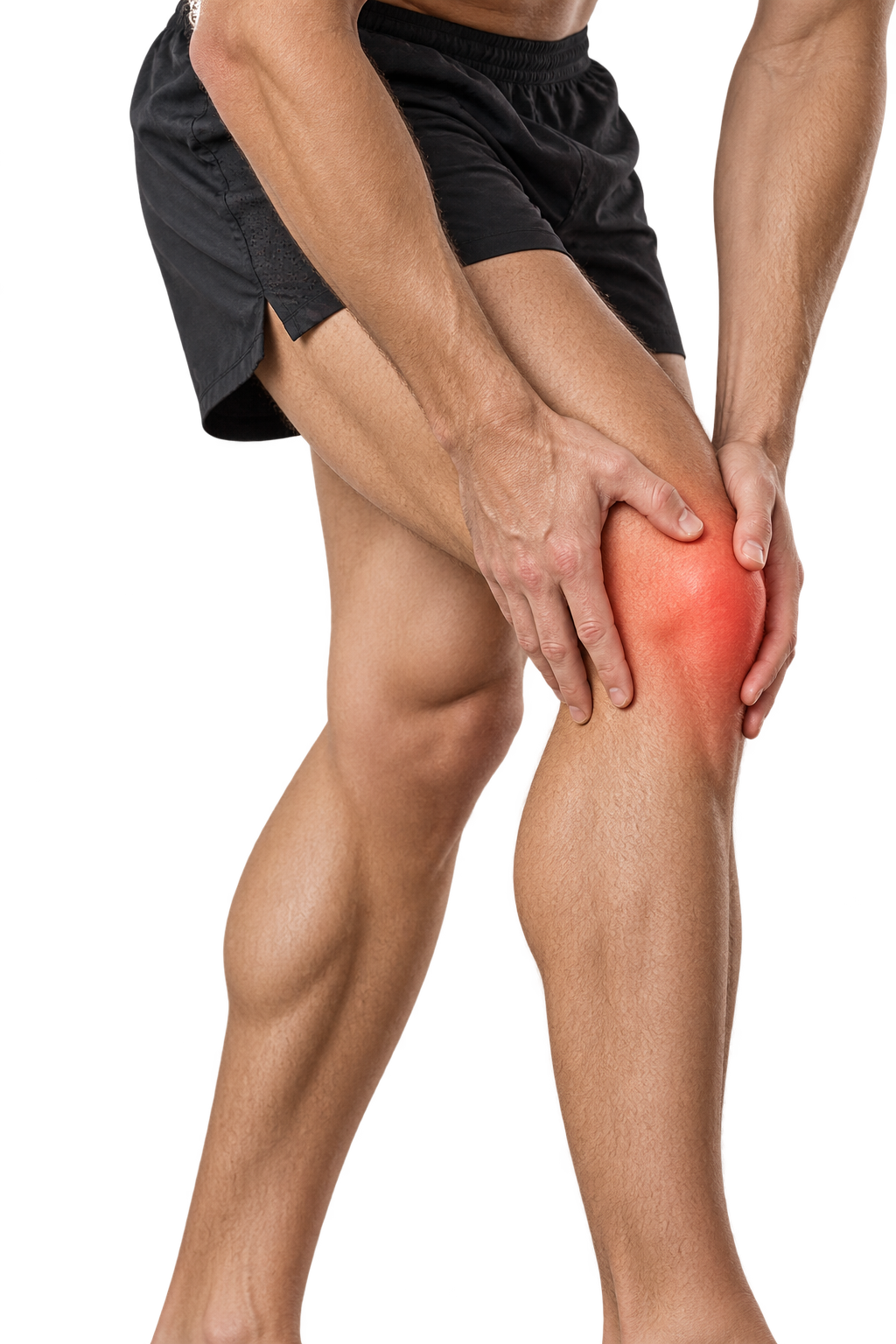
The neighbourhood around 3259 Saint-Jacques is not an office park. A significant portion of our client base works in trades, construction, food service, healthcare, and manual labour — industries with high rates of repetitive strain injuries.
Carpenters and electricians with rotator cuff strain from overhead work. Cooks with forearm and wrist flexor tightness from years of knife work. Healthcare aides with lower back and hip pain from patient transfers. Warehouse workers with thoracic restriction from repetitive lifting.
These are not soft-tissue complaints. They are occupational injuries. Deep tissue massage is one of the primary conservative (non-surgical) treatments for soft-tissue repetitive strain — particularly when caught before degeneration becomes structural.
Athletes and the Montréal Active Population
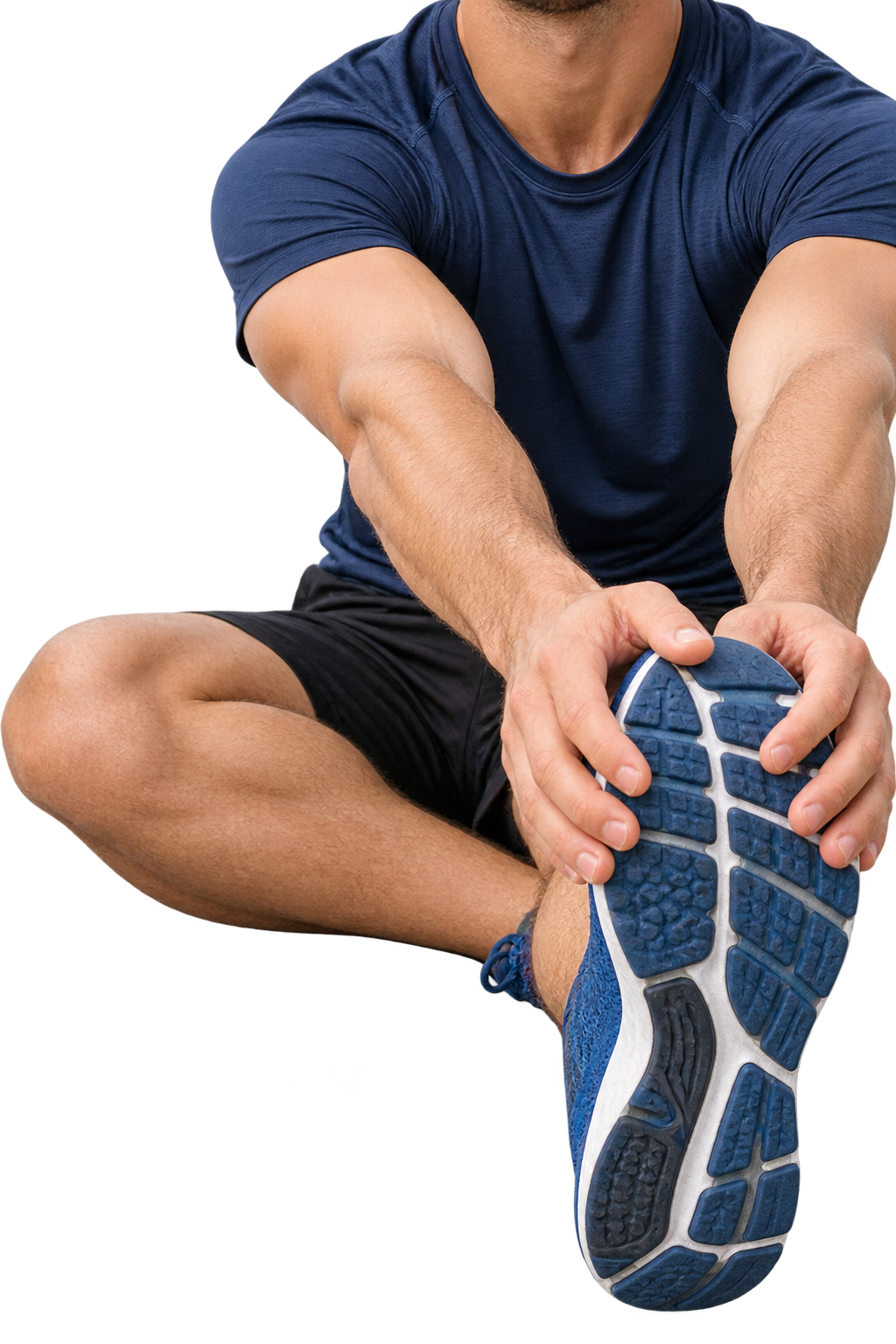
Verdun’s waterfront, the Canal Lachine bike path, Parc Angrignon, and Mont Royal bring out Montréal’s active population in spring, summer, and fall. Cycling, running, hockey, soccer, and swimming create their own pattern of overuse and imbalance.
IT band syndrome in cyclists. Plantar fasciitis in runners. Rotator cuff impingement in swimmers. Hip flexor strain in hockey players. These are soft-tissue problems that respond well to targeted deep tissue work — especially when combined with specific stretching and load management.
If you train or compete in Montréal and you haven’t built regular deep tissue massage into your recovery routine, you’re managing accumulated damage rather than preventing it.